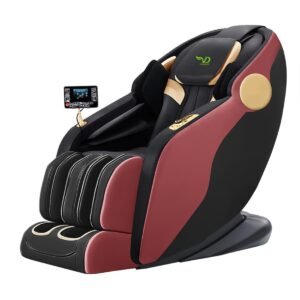
A massage chair can be paid for with an FSA or HSA in the US, but only with a Letter of Medical Necessity from a licensed provider linking the chair to a diagnosed condition. Without that letter almost every plan administrator declines the claim, because a massage chair is otherwise classified as general wellness rather than medical care.
This is general information about how plans typically work, not tax or legal advice. Rules differ between administrators and change. Confirm with your own plan before spending.
Why is it not automatically eligible?
The IRS allows medical expenses that treat or mitigate a specific condition. Items that are useful whether or not you are ill fall into a category called dual-purpose, and they qualify only when a provider documents the medical need. A massage chair is the textbook dual-purpose item: it treats diagnosed back pain for one person and is furniture for another.
What a Letter of Medical Necessity has to contain
Your name and the date.
The specific diagnosis — “chronic lumbar muscle spasm”, not “back pain”.
A statement that a massage chair is recommended to treat or mitigate that condition.
How long the treatment is expected to be needed.
The provider’s name, credentials and signature.
The order of operations that actually works
Talk to your doctor, chiropractor or physiotherapist about your condition.
Ask for a Letter of Medical Necessity naming a massage chair.
Send the letter to your FSA/HSA administrator and ask, in writing, whether they will accept it.
Only then buy, and keep the itemised receipt.
Buying first and seeking approval afterwards is the most common way people end up with a rejected claim.
FSA vs HSA — practical differences
FSA
HSA
Funds roll over
Mostly no — use it or lose it
Yes, indefinitely
Typical annual limit
~$3,300
~$4,300 individual / ~$8,550 family
Documentation scrutiny
Often higher
Usually self-reported, audited later
Best for a chair
End-of-year spend-down
Saving across two years for a larger model
Because HSA funds roll over, an HSA is the more realistic route for a $3,000+ chair: contribute across two years, then buy.
What about insurance?
Standard health insurance almost never covers a massage chair. The exceptions people occasionally succeed with are workers’ compensation settlements and some veterans’ benefit programmes, both of which run on documented medical necessity in the same way.
Documentation to keep
The Letter of Medical Necessity, dated before the purchase.
The administrator’s written confirmation, if you obtained one.
An itemised invoice showing the chair, the price and the date.
Your own note of the diagnosis and treating provider.
We can issue an itemised invoice with the model, specification and price for exactly this purpose — just ask.
Not sure which chair fits?
Tell us your height, your main complaint and your budget. We reply with two or three models that actually match, with prices.
Only with a Letter of Medical Necessity from a licensed provider tying the chair to a diagnosed condition. Without it, administrators classify a massage chair as general wellness and decline the claim.
Are massage chairs HSA eligible?
Same rule as FSA — a Letter of Medical Necessity is required. HSAs suit a chair better because the funds roll over, so you can accumulate across two years for a larger model.
How do I get a Letter of Medical Necessity for a massage chair?
Ask your doctor, chiropractor or physiotherapist. The letter must name a specific diagnosis, state that a massage chair is recommended to treat or mitigate it, give the expected duration, and be signed with credentials.
Will insurance pay for a massage chair?
Standard health insurance almost never does. The occasional exceptions are workers’ compensation settlements and some veterans’ programmes, both requiring documented medical necessity.
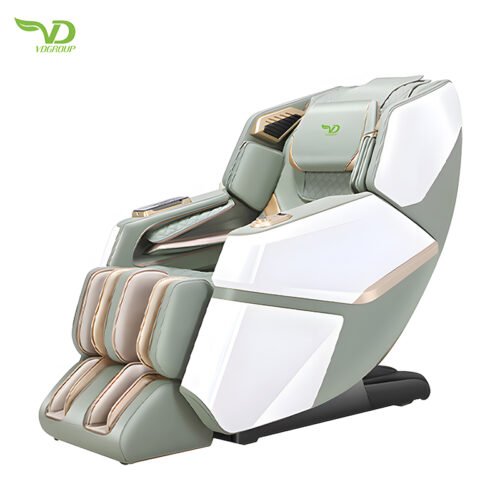
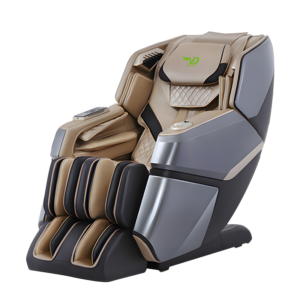
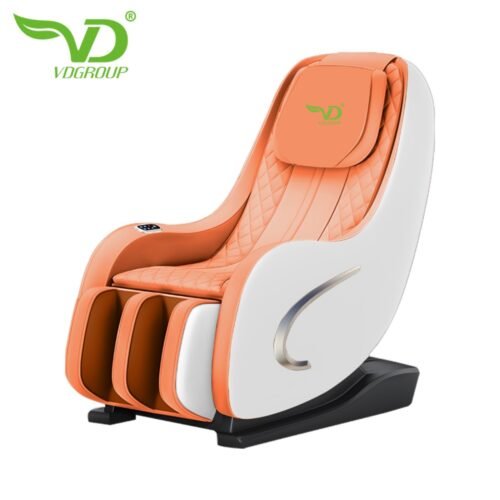
Chairs people buy with FSA and HSA funds
We issue an itemised invoice with model, specification and price for your claim.